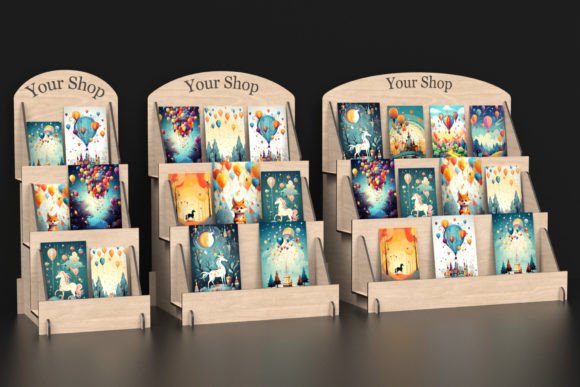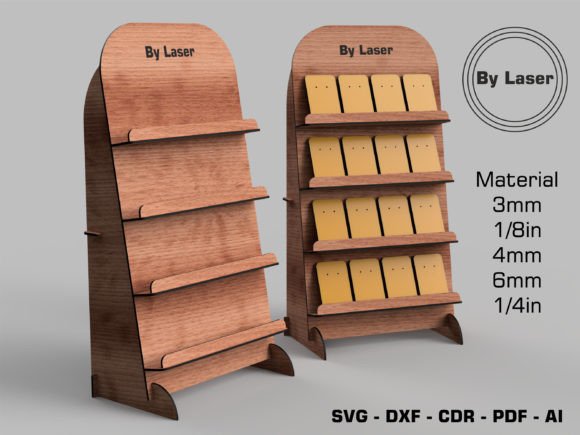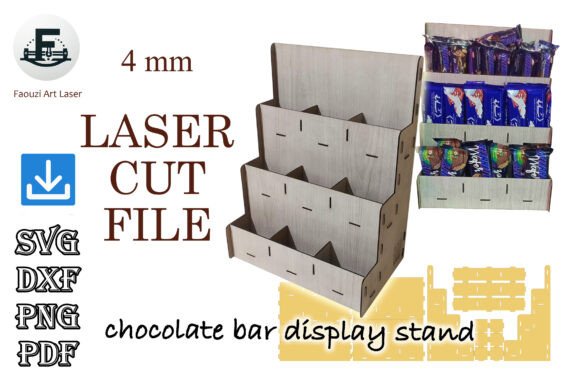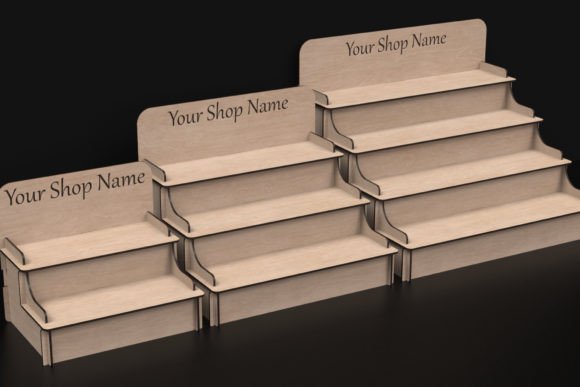
4 and 3 Tier Jar Display Shelves Review
When I first opened the file for 4 and 3 Tier Jar Display Shelves, my immediate reaction wasn't about the technical specs or the stitch count. It was about the vibe. This design carries a distinct sense of organized charm that feels perfectly at home in a modern farmhouse kitchen, a boutique craft shop, or a cozy nursery. As someone who has reviewed hundreds of embroidery files for real-world applications, I look for designs that do more than just fill space; they need to tell a story. This particular piece tells a story of structure, storage, and aesthetic utility.
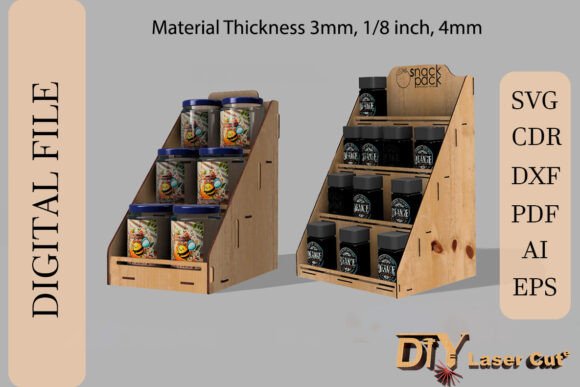
However, there is a crucial detail that every designer must address before stitching a single thread: this is a digital file intended for laser cutting, not traditional machine embroidery. The product description explicitly states, "Attention This is NOT A PHYSICAL PRODUCT, but digital files." If you are looking to create an embroidered patch or a direct stitch-on-tote bag using standard embroidery software, this specific Stands category item requires a different approach. But for those with access to a laser cutter or those planning to use this as a physical appliqué base, the potential is immense. Let's dive into how this design translates when we bridge the gap between digital intent and handmade reality.
The Visual Personality of the Design
The layout of 4 and 3 Tier Jar Display Shelves is inherently geometric. It features clean lines and tiered structures that suggest stability and elegance. When I imagine this on a finished product, the mood it sets is one of curated calm. It works beautifully as a central motif on a kitchen towel, suggesting a well-organized pantry, or as a subtle graphic on a sweatshirt for a coffee enthusiast or baker. The tiered nature of the shelves creates natural negative space, which is a designer's dream. It allows for breathing room in the composition, preventing the design from feeling cluttered even when surrounded by other elements like text or floral accents.
In terms of visual appeal, the design exudes professionalism. For an Etsy seller or a small business owner, this is exactly the kind of asset that elevates a brand. It signals attention to detail and a love for functional decor. Whether you are creating a custom apron for a client or a set of personalized gifts for a holiday market, this design adds a layer of sophistication that generic clip art simply cannot match. It fits naturally into themes of organization, cooking, crafting, and home goods.
Real-Life Application Scenarios
Let me walk you through a practical scenario. Imagine you are preparing for the upcoming holiday season and want to create a high-end gift set for a local boutique. You decide to make a limited run of premium canvas tote bags featuring a custom logo and a decorative element. Instead of a simple flower, you decide to incorporate the 4 and 3 Tier Jar Display Shelves concept. Since this is a laser-cut file, you would cut the shelf design out of a sturdy felt or leather material. You then attach this physical piece onto the tote bag, perhaps adding some machine embroidery details around the edges of the shelves to secure them and add texture.
This hybrid approach combines the precision of laser cutting with the warmth of handcrafted touches. The result is a tactile product that customers can feel and appreciate. The contrast between the crisp laser-cut lines and the soft embroidery stitches creates a dynamic visual interest. Alternatively, if you have a laser cutter, you could produce these shelves entirely out of wood or acrylic and use them as standalone decor items, marketing them as "embroidery-ready" stands where users can place their own embroidered jars. This opens up a whole new revenue stream for makers who specialize in both digital fabrication and textile arts.
For those working strictly with embroidery machines, the key is to interpret the geometry correctly. While the file itself is for laser cutting, the *concept* can be translated into a dense satin stitch or fill stitch pattern if you digitize the shape yourself. The tiered structure would work exceptionally well on a baby onesie, representing a stack of blocks or a nursery shelf, or on a cap where the curved surface mimics the layers of the shelves. The design's strength lies in its adaptability to various contexts, from commercial embroidery projects to personal hobbyist endeavors.
Navigating Technical Challenges
While the design is visually striking, there are specific areas where caution is required. If you attempt to adapt this for a small hoop size, such as on a hat brim or a small pocket, the intricate details of the shelves might get lost. The tiers are close together, and without sufficient resolution, the individual levels could blur into a solid block of color. Always test the design on scrap fabric first to ensure the spacing remains clear after stitching.
Fabric texture plays a significant role here. On stretchy fabrics like jersey or thin knits, the structural lines of the shelves might distort if the stabilizer isn't robust enough. For a project like a sweatshirt or a heavy-duty apron, a cut-away stabilizer is essential to maintain the integrity of the design. Similarly, on dark fabrics, thread color contrast becomes critical. Light-colored threads against a black background will make the shelves pop, while dark threads on a dark background might require a bright outline to define the tiers.
If you are working with detailed corners or tiny lettering often associated with these types of organizational designs, be wary of density issues. Over-stitching can lead to puckering, especially on delicate materials like tea towels or pillow covers. It is vital to review the stitch density and adjust the underlay settings to prevent the fabric from gathering. For products that need frequent washing, such as kitchen towels or aprons, ensuring the design is securely anchored is paramount to avoid unraveling over time.
Practical Designer Notes for Success
To get the most out of this project, I recommend a few best practices. First, always check the licensing terms before selling finished items or digital products. Even though this is a laser cutting file, the intellectual property rights regarding the design itself must be respected. Confirm whether you have the right to sell the final physical product incorporating this design.
When preparing your mockups, test the design in black and white to see how the shapes hold up without the distraction of color. This helps identify any weak points in the line work. Compare light and dark fabric backgrounds to determine the best thread colors for maximum impact. If you are using proper stabilizer, choose one that matches the weight of your fabric to ensure the design lays flat and looks professional.
Inspect small details closely. The junctions where the shelves meet the vertical supports are often where errors occur in digitization or printing. Ensure these connections are strong and clear. If you are creating a printable mockup for your online store, make sure the resolution is high enough so that customers can appreciate the fine lines of the shelves. Remember, this is a digital embroidery file (or laser file) that represents a physical object, so your presentation needs to reflect that tangible quality.
Final Thoughts on Value and Trust
In the world of handmade products and craft business, trust is built on consistency and quality. Using a design like 4 and 3 Tier Jar Display Shelves demonstrates that you understand the nuances of design and production. It shows you aren't just throwing random images on a product; you are curating assets that fit a specific aesthetic and functional purpose. For an Etsy seller or a small shop product creator, this level of thoughtfulness can be the difference between a casual browse and a confident purchase.
Whether you are integrating this into a larger collection of design assets or using it as a standalone feature for a personalized gift, the potential for success is high. Just remember to respect the original intent of the file—it is designed for laser cutting, so plan your workflow accordingly. If you don't have a laser machine, consider collaborating with a local service to produce the physical components, then finish them with your embroidery skills. This collaborative approach often yields the most impressive results.
Ultimately, the 4 and 3 Tier Jar Display Shelves design offers a blend of modern minimalism and rustic charm that resonates with today's consumers. It is versatile enough for holiday embroidery, wedding gifts, or everyday custom apparel. By approaching it with care, testing thoroughly, and understanding its unique properties, you can create finished products that stand out in a crowded marketplace. Happy stitching and cutting!