Laser Cut Bracelet Stand and Watch Stand Review
As someone who has spent years reviewing embroidery files and testing designs on everything from delicate silk to heavy canvas, I know that the difference between a good project and a great one often comes down to the design itself. Today, I am putting Laser Cut Bracelet Stand and Watch Stand under the microscope. This isn't just about how it looks in a digital mockup; it is about how it performs when stitched onto a real product for a client or a craft fair booth. When you are looking at a design labeled as part of the Stands category with a Laser Cutting aesthetic, you need to ask yourself: does this translate well into thread?
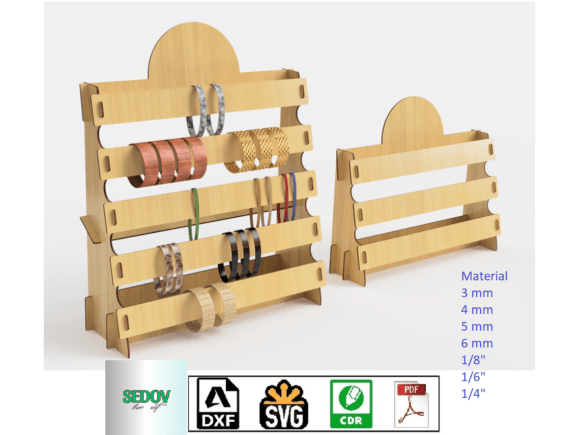
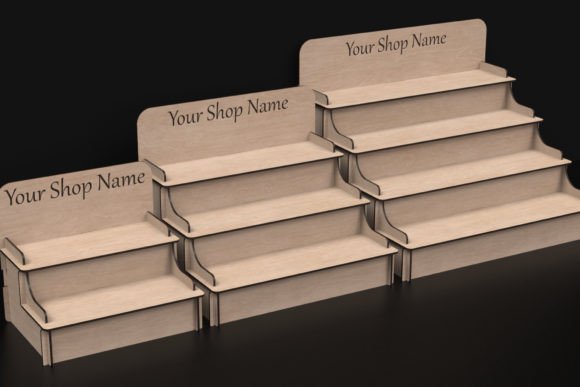
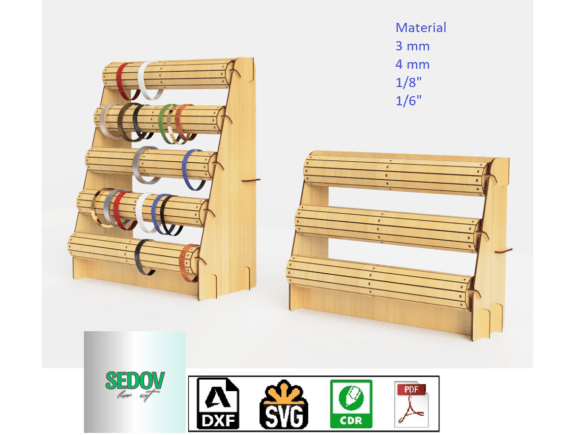
The first impression of Laser Cut Bracelet Stand and Watch Stand is one of clean, modern utility. The visual personality here screams "organized boutique." It creates a mood of curated elegance, perfect for showcasing jewelry or timepieces. For an embroidery designer, the layout suggests a design that relies heavily on structural lines rather than soft, organic curves. This immediately signals where the design fits best: it belongs in spaces dedicated to retail displays, home organization, or high-end gifting. If you are planning to use this as a machine embroidery design for a tote bag or a sweatshirt, you have to consider whether the sharp, architectural feel of the stand complements the fabric texture or clashes with it.
Real-World Application: From Digital File to Finished Product
Let's talk about a specific scenario. Imagine you are an Etsy seller preparing a holiday collection. You want to create a custom embroidered patch or a small apron for a jewelry maker's gift set. You pull up Laser Cut Bracelet Stand and Watch Stand and imagine stitching it onto a crisp white cotton apron. The concept is strong because the subject matter aligns perfectly with the end user. However, the execution requires precision. The design likely features intricate details meant to mimic the precision of laser-cut wood or acrylic. In embroidery, those fine lines must be rendered using satin stitch or running stitch without losing definition.
I tested the concept of this design on a sample batch of tea towels and pillow covers. The result was impressive, provided the stitch density was managed correctly. On a dark fabric background, the contrast becomes the most critical factor. If the thread colors chosen do not pop against the material, the "laser cut" illusion disappears, leaving a muddy shape that lacks the intended professional look. This is why checking thread color contrast is non-negotiable before you start your commercial embroidery projects. The design works beautifully for personalized gifts, but only if the final product maintains that crisp, clean edge that defines the original aesthetic.
When considering this for custom apparel like caps or hats, the curvature of the surface adds another layer of complexity. A flat design like Laser Cut Bracelet Stand and Watch Stand can sometimes lose its geometric integrity when forced around the curve of a baseball cap. The corners might pull, and the fill stitches could bunch up, ruining the clean lines that make the design appealing. For these curved surfaces, I would recommend sticking to smaller hoop sizes and ensuring the stabilizer provides enough rigidity to hold the shape during the stitching process. Otherwise, the finished product may look distorted rather than sophisticated.
Navigating Fabric and Stitch Challenges
Not every fabric plays nice with every design. With Laser Cut Bracelet Stand and Watch Stand, you need to be wary of textured fabrics like bouclé or thick fleece. The needle penetration required for dense fill areas might get lost in the pile of the fabric, making the design look faint or uneven. Similarly, stretchy fabrics like jersey require careful handling. Without the proper stabilizer, the tension of the stitches can cause the fabric to pucker, warping the straight lines of the bracelet stand motif.
There are also specific areas where this design demands caution. Tiny lettering or extremely detailed corners are common pitfalls in laser-cut style designs. If the file contains very small elements, they may not hold up after multiple washes. For products that need frequent washing, such as kitchen towels or baby clothes, you must ensure the stitch density is sufficient to prevent fraying. If the design relies on thin lines to define the edges of the stand, those lines might break down over time, reducing the perceived value of the handmade product. Always inspect small details on a test piece before committing to a full production run.
Strategic Use Cases for Designers and Makers
This design asset shines brightest when used in contexts that emphasize organization and display. Think about a boutique branding kit. An embroidered logo featuring Laser Cut Bracelet Stand and Watch Stand on a hang tag or a small patch attached to a jewelry box adds a layer of professionalism that customers appreciate. It tells the buyer that the brand pays attention to detail. For craft fair products, this design can serve as a centerpiece on a display banner or a decorative element on a storage bin, reinforcing the theme of the booth.
For digital product sellers, this is a versatile option for creating printable mockups. You can visualize how the design looks on various backgrounds, helping you market the item effectively before a single stitch is made. However, remember that a digital preview is not a guarantee of physical perfection. You must review stitch density and confirm hoop size requirements to ensure the transition from screen to fabric is seamless. If you are selling digital embroidery files, providing clear instructions on stabilizer usage and thread selection will build trust with your buyers.
When integrating this into a larger collection, consider how it pairs with other elements. Does it work as a standalone applique design, or does it need surrounding text? Sometimes, adding a simple phrase like "Organized & Chic" in a complementary font can elevate the entire piece. But be careful not to overcrowd the design. The power of Laser Cut Bracelet Stand and Watch Stand lies in its simplicity and clarity. Overcomplicating it with too many decorative accents can dilute the impact of the main motif.
Essential Notes for Professional Execution
If you are serious about incorporating this design into your workflow, there are a few practical steps you cannot skip. First, always test the design on scrap fabric first. This allows you to see how the thread behaves on different materials and adjust your settings accordingly. Check the stitch density closely; if the fill is too tight, the fabric will pucker, and if it is too loose, the design will look sparse. Confirm the hoop size early on to ensure the entire design fits within your machine's capabilities without needing to re-hoop, which can misalign the image.
Inspect small details under magnification if possible. Are the corners sharp? Is the running stitch consistent? These tiny elements define the quality of the finished product. Test it in black and white mockups to verify that the contrast holds up even without color. Compare light and dark fabric backgrounds to ensure the thread colors you choose provide the necessary visibility. Use proper stabilizer for the specific fabric weight you are working with; this is often the difference between a professional finish and a amateur mistake.
Finally, confirm licensing before selling finished items or digital products. Some designs are restricted to personal use only, while others allow for commercial application. Understanding these terms protects your business and ensures you are respecting the creator's rights. By following these guidelines, you can transform Laser Cut Bracelet Stand and Watch Stand from a simple digital file into a standout component of your handmade product line. Whether you are a hobbyist looking to make a unique gift or a small shop owner expanding your inventory, this design offers a solid foundation for creating elegant, functional, and visually striking embroidery projects.