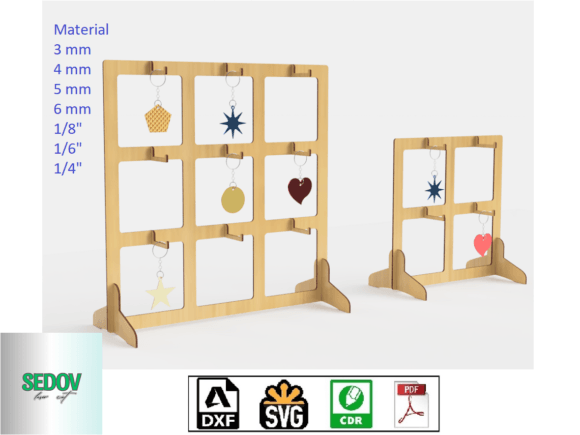
Laser Cut Template Key Chain Stand Review
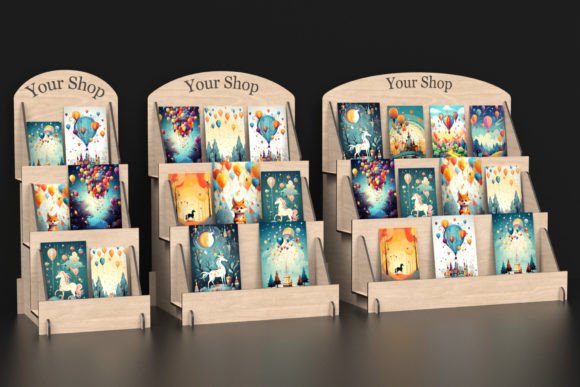
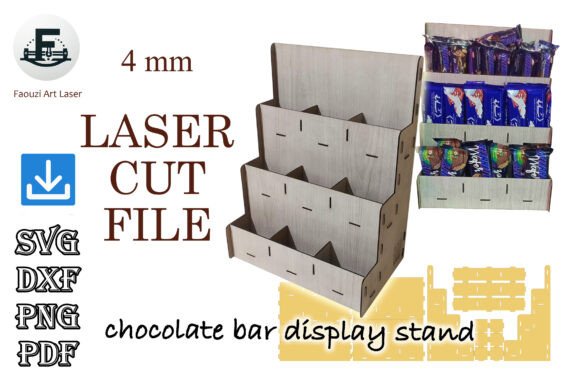
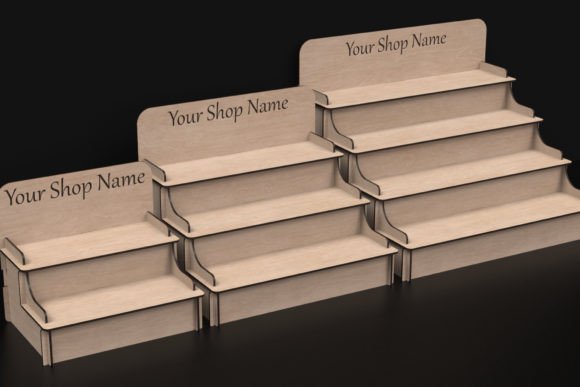
As a designer who has spent years refining embroidery files for both personal passion projects and commercial client work, I approach every new asset with a mix of excitement and skepticism. You never know if a design will translate beautifully from the screen to the fabric until you actually stitch it out. Recently, I came across the Laser Cut Template Key Chain Stand, a product described as a versatile hanging merchandise stand template featuring two variations. On paper, it sounds like a functional tool for displaying goods, but in the world of machine embroidery, the real question is whether it holds up as a design element on actual products.
I decided to put this design through its paces before recommending it to my network of crafters and Etsy sellers. My goal was to see how this Laser Cutting inspired motif would perform when applied to real-world items like custom apparel, tote bags, and boutique branding materials. The result was a mix of practical wins and specific areas where caution is required.
First Impressions: A Functional Aesthetic
The immediate mood created by the Laser Cut Template Key Chain Stand is one of organized creativity. Unlike many generic embroidery designs that rely solely on floral patterns or abstract shapes, this piece feels industrial yet approachable. It evokes the feeling of a well-curated shop window or a maker's workspace. The layout suggests structure, which is perfect for businesses that want to project professionalism and attention to detail.
When viewing the file, the visual personality stands out because it bridges the gap between a graphic logo and a textile pattern. It isn't just a decorative border; it feels like an integral part of the product identity. For an embroidery designer, this is a crucial distinction. Many designs look great in isolation but fall apart when integrated into a larger garment or accessory. This design, however, seems to have a natural home within a brand's visual language, making it an excellent candidate for commercial embroidery projects where brand consistency is key.
Real-World Application: From Screen to Stitch
To truly understand the value of this asset, I simulated a scenario typical for a small business owner preparing for the holiday season. Imagine an Etsy seller creating personalized gifts for a local boutique. They need a unique touch for their custom apparel line, perhaps a sweatshirt or a sturdy canvas tote bag. How does the Laser Cut Template Key Chain Stand fit here?
In practice, this design shines when used as a focal point on a tote bag design. The geometric nature of the template allows it to sit cleanly on flat surfaces without distorting the fabric. I imagined stitching this onto a dark navy canvas bag using high-contrast thread colors. The sharp lines of the template would pop against the textured fabric, creating a sophisticated look that elevates a standard item into a premium handmade product.
Similarly, for those working on embroidered patches, this design offers a structured outline that works well for defining edges. When applied to a cap or a baby item, the clean lines provide a modern twist compared to traditional script or floral motifs. It transforms a simple gift into something that looks thoughtfully designed, increasing the perceived value of the finished item. For a craft business, this means higher customer trust and better engagement, as buyers can see the effort and precision put into the details.
Where Caution is Required
However, not every application is a perfect match. As an experienced reviewer, I must highlight where this design might struggle. If you are planning to use the Laser Cut Template Key Chain Stand on stretchy fabric or curved surfaces like fitted caps, you need to be extremely careful. The intricate corners and detailed sections of a laser-cut style can become distorted if the hoop size is too large or if the stabilizer isn't adequate.
Small hoop sizes present another challenge. While the design is versatile, the fine details within the template might get lost or clump together if the stitch density is too high for the available space. This is particularly true if you are working with thin fabrics or trying to achieve a crisp finish on a kitchen towel or tea towel. In these cases, the density of the fill stitch could cause the fabric to pucker, ruining the professional look you are aiming for.
Additionally, if your project involves dark fabric, you will need to pay close attention to the thread colors. A design with so much structural definition requires high contrast to remain legible. Without proper color selection, the satin stitch and running stitch elements might blend into the background, losing the very aesthetic that makes this design attractive. Always test the contrast on scrap material before committing to the final piece.
Designer Notes for Success
If you are ready to incorporate the Laser Cut Template Key Chain Stand into your workflow, there are several technical steps you should take to ensure success. First and foremost, always test the design on scrap fabric. This is non-negotiable. You need to verify that the stitch density works for your specific machine and that the hoop size accommodates the full design without cutting off any critical details.
Check your stabilizer choice carefully. For a design with such defined lines, a cut-away stabilizer often provides the necessary support to prevent puckering, especially on apparel decorators working with heavier materials like denim or fleece. Conversely, for lighter items like nursery decor or pillow covers, a tear-away might suffice, but only after testing.
Review the embroidery file for any tiny lettering or minute accents. These are the first things to break down during washing or wear. If the design includes text, ensure it remains legible after stitching. Also, consider the end-use of the product. Is this going to be a personalized gift that gets washed frequently? Or is it a digital embroidery file sold as a printable mockup for clients to visualize? The durability requirements differ significantly between these scenarios.
Finally, confirm the licensing terms before selling finished items or digital products. Whether you are a small shop product creator or a digital product seller, understanding your rights to use the design assets is vital for protecting your business. Do not assume that a purchase grants unlimited commercial rights; verify the terms explicitly.
Final Thoughts on Visual Appeal and Value
The Laser Cut Template Key Chain Stand brings a distinct energy to the table. It moves away from the cliché and offers a fresh, contemporary look that resonates with modern consumers. When executed correctly, it enhances the visual appeal of the finished product, making it stand out on a shelf or in an online listing. It signals to the buyer that the creator cares about aesthetics and quality.
For those looking to expand their holiday embroidery offerings or create unique wedding gifts, this design provides a solid foundation. It pairs well with various themes, from rustic weddings to urban boutiques. However, remember that the success of the design relies heavily on your execution. Proper thread colors, adequate stabilizers, and careful testing are the keys to unlocking its full potential.
In conclusion, this is a strong addition to any embroidery project library, provided you respect its limitations. It is not a "one-size-fits-all" solution, but for the right application—be it a sweatshirt embroidery piece or a branded apron—it delivers a professional, polished result that customers will appreciate. If you are an Etsy seller or a creative entrepreneur looking to elevate your brand, the Laser Cut Template Key Chain Stand is definitely worth exploring, as long as you approach it with the same diligence and care that defines great handmade craftsmanship.