Openwork Display Shelves Laser Cut Files: A Designer’s Review
As a graphic designer who frequently bridges the gap between digital concepts and tangible client deliverables, I am always on the lookout for design assets that offer both aesthetic depth and structural versatility. Recently, I evaluated a specific asset titled Openwork Display Shelves Laser Cut Files. While categorized under Other Home Decor, this asset is far more than a simple decorative element; it is a sophisticated graphic design asset that can elevate branding, packaging, and editorial projects when used with intention.
In this review, I will break down how this Laser Cutting file performs in real-world commercial applications, from small business branding to high-end product mockups. My goal is to provide practical insight for designers, marketers, and content creators who are deciding whether this asset fits their next project.
First Impressions: Mood and Visual Identity
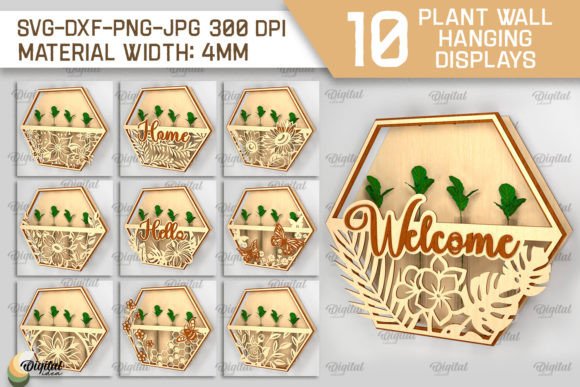
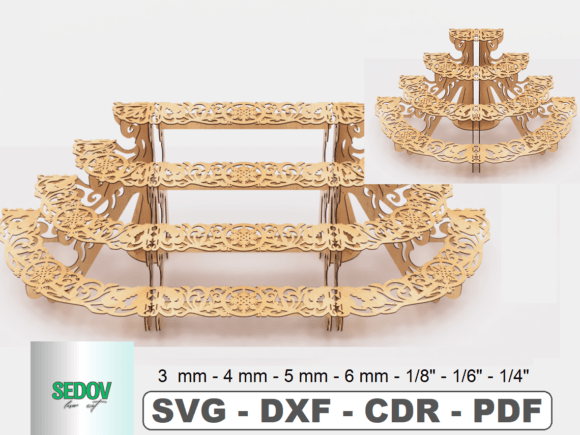
When you first load the Openwork Display Shelves Laser Cut Files, the immediate impression is one of airy elegance. The design features a unique openwork structure that suggests lightness and precision. It creates a visual mood that is organic yet structured, leaning heavily into modern bohemian or minimalist rustic aesthetics.
This is not a heavy, ornate baroque frame. Instead, it feels like a contemporary interpretation of traditional joinery or lacework. For a designer working on brand identity for a handmade business, artisanal food brand, or boutique home goods line, this asset provides an instant sense of craftsmanship. It communicates quality without shouting. The negative space within the shelves allows the background or surrounding elements to breathe, which is crucial for maintaining a clean visual hierarchy.
The asset naturally fits projects that require a touch of warmth and texture. Imagine a wedding invitation suite, a product label for organic skincare, or a hero image for an Etsy shop launching a new ceramic collection. The openwork design acts as a subtle backdrop that frames products beautifully, drawing the eye to the center of the composition where the main subject resides.
Real-World Application in Commercial Design
The true test of any design bundle or single asset is its adaptability across various mediums. Here is how Openwork Display Shelves Laser Cut Files performs in specific design scenarios:
- Packaging Design: This asset shines in packaging design. When used as a die-cut window or a printed overlay on boxes, it adds a tactile dimension to unboxing experiences. The tiered nature of the design mimics actual shelving, making it perfect for brands selling small items like jewelry, spices, or candles.
- Social Media Graphics: For social media graphics, particularly for Instagram and Pinterest, this asset works well as a framing device. Placing product photos behind the openwork layers creates depth and a layered look that stands out in crowded feeds. It transforms flat images into dynamic compositions.
- Print-on-Demand Products: If you are creating print-on-demand items like tote bags, mugs, or posters, this vector-friendly asset scales beautifully. The clean lines ensure that even at larger sizes, the detail remains crisp. It serves as an excellent sublimation design for apparel, adding a trendy, artistic flair to basic garments.
- Editorial and Web Design: In web design or editorial design, these files can be used as section dividers or decorative accents. They break up text blocks effectively without overwhelming the content. For bloggers and publishers, they add a professional polish to blog post headers or downloadable lead magnets.
Furthermore, this asset is highly compatible with Canva templates and other drag-and-drop design tools. Designers can easily integrate it into Cricut projects or use it as a base for creating custom sticker designs. Its versatility makes it a valuable addition to any creative marketplace seller’s portfolio.
Strategic Placement: Where It Works Best
To get the most out of Openwork Display Shelves Laser Cut Files, placement is key. This asset excels in large layout areas where its intricate details can be appreciated. It is ideal for hero graphics on landing pages or as a primary focal point in marketing visuals.
It also works exceptionally well in product mockups. By placing digital products or physical items within the "shelves," you create a cohesive narrative that suggests organization and care. This is particularly effective for Etsy products or online stores focusing on curated collections. Additionally, using it as a decorative accent in themed collections—such as spring launches, holiday campaigns, or seasonal promotions—adds a timely and relevant visual cue.
Cautionary Notes: Where to Use Carefully
However, no asset is universal. There are specific contexts where Openwork Display Shelves Laser Cut Files may struggle:
- Small Sizes: Due to the fine details of the openwork design, scaling this asset down too small can result in loss of detail. On very small icons or favicons, the design may become muddy or illegible.
- Crowded Layouts: Avoid placing this asset over busy backgrounds or in layouts already dense with text and imagery. It competes for attention. If the user cannot clearly distinguish the shelves from the rest of the design, the asset fails its purpose.
- Minimalist Branding: While elegant, the asset has character. It may clash with ultra-minimalist branding that relies on stark emptiness and pure geometry. In such cases, a simpler geometric shape might be more appropriate.
- Professional Corporate Materials: For strict corporate environments requiring very clean visual hierarchy and neutrality, this asset might feel too decorative or whimsical. It is better suited for lifestyle, creative, or retail sectors.
Designer’s Checklist for Commercial Use
Before integrating Openwork Display Shelves Laser Cut Files into a paid client project, I recommend running through this practical checklist to ensure quality and compliance:
- Test in Black and White: Convert the asset to grayscale to check its structural integrity. Does it hold up without color? This ensures the design relies on form, not just hue.
- Check Contrast: Preview the asset on both light and dark backgrounds. Ensure there is sufficient contrast so the openwork details remain visible against your chosen background color.
- Preview at Multiple Sizes: Zoom out to see how it looks as a thumbnail or small badge. Zoom in to inspect the vector paths for any jagged edges or unnecessary anchor points.
- Inspect File Formats: Confirm if the asset includes SVG for scalability and PNG for transparency. Check if the PNG has a clean alpha channel without halos. Verify that the SVG is editable in standard vector software.
- Review Licensing: Most importantly, confirm the commercial license. Ensure you have the right to use the asset for client work, especially if the client intends to resell physical products featuring the design.
- Font Pairing: Consider how typography interacts with the asset. The organic curves of the shelves pair well with serif fonts or elegant script fonts. They may clash with rigid sans-serif fonts unless balanced carefully. Test combinations to find the right emotional appeal.
Final Verdict
Openwork Display Shelves Laser Cut Files is a versatile, high-quality digital product that offers significant value for designers looking to add depth and elegance to their work. It is not just a clipart image; it is a structural element that can enhance brand consistency and audience engagement when used thoughtfully.
For those involved in small business branding, crafting, or content creation, this asset provides a ready-made solution for creating polished, professional-looking visuals. It supports the narrative of craftsmanship and care, which resonates strongly with modern consumers. By following the practical tips outlined above, designers can leverage this asset to create compelling marketing visuals, stunning packaging design, and memorable creative design projects that stand out in a crowded marketplace.