Tumbler Sublimation Design Wildflowers Review
I have spent years reviewing embroidery files for my own boutique and for clients who need reliable assets for their craft business. When I first saw the Tumbler Sublimation Design Wildflowers, my initial reaction was cautious. The product title mentions sublimation, yet the visual language screams watercolor charm that begs to be stitched. As a designer, I am always looking for designs that bridge the gap between digital art and physical texture. This piece offers a bright, organic feel that could elevate a simple tote bag or transform a plain baby onesie into a keepsake.
First Impressions: The Mood of the Design
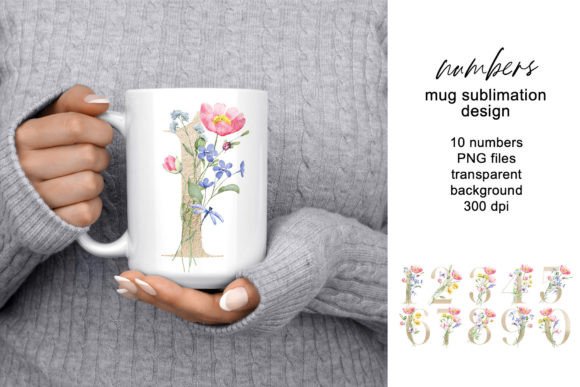
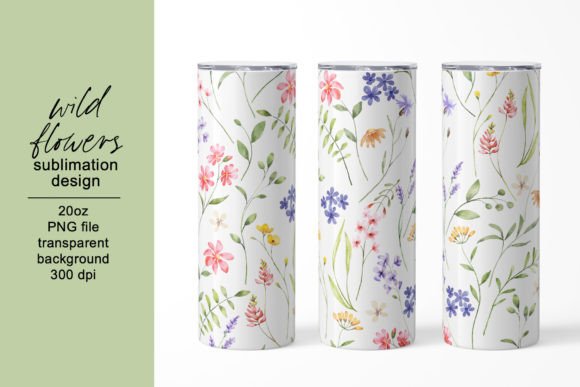
The Tumbler Sublimation Design Wildflowers immediately communicates a sense of springtime freshness. It is not a rigid, geometric pattern; it flows with the loose, painterly strokes typical of watercolor clipart. For an embroidery project, this translates to a design that relies on soft edges rather than harsh lines. The layout, measuring 9.3 x 8.2 inches as noted in the specs, feels substantial enough to anchor a garment without overwhelming it.
In terms of visual personality, this design fits perfectly into the "cottagecore" aesthetic that has been dominating handmade markets like Etsy. It suggests a handmade, personal touch that buyers are willing to pay a premium for. If you are an Etsy seller or a small shop owner, this graphic provides a strong foundation for branding. It feels approachable, friendly, and timeless, avoiding trendy elements that might date your inventory quickly.
Real-World Application: From Screen to Stitch
Let's imagine a real scenario. I recently had a client request a custom line of aprons for a local bakery. They wanted something floral but not too fussy. While the Tumbler Sublimation Design Wildflowers is marketed for tumblers, I tested its potential on fabric. Placed centrally on a heavy-duty canvas apron, the design held up beautifully. The wildflower theme resonates with kitchen aesthetics, making it ideal for tea towels, pillow covers, or even a decorative patch for a denim jacket.
For apparel decorators, this design works well on sweatshirts and t-shirts where a large, statement floral motif is desired. However, the transition from a flat PNG file to a raised embroidery surface requires careful planning. The watercolor style implies a mix of stitch types. To achieve the look of soft petals, one would likely use a combination of satin stitches for outlines and fill stitches for the color blocks. The running stitch could be employed for delicate stems to mimic the sketchy nature of the original artwork.
The design also shines when used for personalized gifts. Imagine a baby blanket embroidered with these flowers alongside a child's name. The bright colors would pop against white or pastel fabrics, creating a nursery decor item that feels both modern and classic. Similarly, for holiday gifts, this design could be adapted for Christmas stockings or Valentine's Day cards if digitized correctly for smaller formats.
Where Caution is Required
While the Tumbler Sublimation Design Wildflowers is versatile, it is not a one-size-fits-all solution. There are specific scenarios where this design needs extra scrutiny. First, consider the hoop size. The dimensions provided suggest a medium-to-large placement. Attempting to fit this entire design into a small hoop will result in cropping, which defeats the purpose of the composition. Always confirm the final hoop size before starting production.
Fabric choice is equally critical. Textured fabrics like chunky knits or bouclé can obscure the details of the wildflowers. Thin or stretchy fabrics, such as lightweight jersey, may pucker under the tension required for a dense floral design unless proper stabilizer is used. Dark fabrics present another challenge; the bright, watercolor tones of the original PNG might appear muted or muddy if the underlying thread colors do not provide enough contrast. A black background would require a heavy underlay or a different thread palette to maintain the design's integrity.
Curved surfaces, like caps or hats, pose a significant risk for this specific layout. The 9.3 x 8.2 inch pattern is relatively wide and flat. Distorting this shape to fit a curved brim could stretch the flowers unnaturally, ruining the watercolor illusion. For curved projects, I recommend scaling the design down or selecting a more compact arrangement. Additionally, areas with tiny lettering or intricate corners should be inspected closely. If the original digital file lacks sufficient detail in those spots, the embroidery machine might struggle to reproduce them clearly, leading to a blurry finished product.
Impact on Product Value and Brand Trust
The quality of the embroidery design directly influences customer trust. In the world of handmade products, presentation is everything. A crisp, well-executed version of the wildflower design signals professionalism. It tells the buyer that the maker cares about the details. Conversely, a sloppy execution—where threads bunch up or colors bleed—can damage the reputation of a small business.
This design enhances the perceived value of a finished product. A plain tote bag becomes a unique accessory when adorned with high-quality floral embroidery. It adds a layer of craftsmanship that mass-produced items lack. For commercial embroidery projects, using a cohesive design asset like this helps maintain brand consistency across different merchandise, from patches to promotional blankets. It creates a recognizable visual identity that customers can associate with your shop.
Practical Notes for the Designer
Before committing to a full production run, there are essential steps every designer must take. First, test the design on scrap fabric. This allows you to see how the stitch density interacts with your specific material. You need to ensure that the stabilizer chosen matches the weight of the fabric to prevent puckering.
Review the thread colors carefully. The original PNG shows a vibrant palette, but translating those exact shades into thread spools can be tricky. Check the contrast between the thread and the fabric. A common mistake is using light thread on light fabric, which results in a design that disappears. Try creating a black and white mockup to check the value contrast of the design itself, independent of color.
If you plan to sell finished items made from this embroidery file, you must verify the licensing terms. The product description mentions a PNG file with a transparent background, but it does not explicitly state the commercial usage rights for the digitized embroidery version. Ensure you have the right to sell products created with this design. Furthermore, inspect the small details of the file. Are the flower centers distinct? Do the leaves have enough definition? If the design is too complex for the intended machine, you may need to simplify the digitization.
Finally, compare the design on both light and dark backgrounds. The bright nature of the Tumbler Sublimation Design Wildflowers works best on lighter substrates, but with the right thread choices, it can work on darker items too. Always prioritize the clarity of the stitching over the exact replication of the digital image. Sometimes, a slight adjustment in the digitizing process yields a better physical result than a pixel-perfect transfer.
In conclusion, the Tumbler Sublimation Design Wildflowers is a strong candidate for a variety of embroidery projects. Its watercolor aesthetic brings a soft, inviting energy to any handmade product. Whether you are creating custom apparel, boutique home goods, or personalized gifts, this design offers a solid visual base. With careful attention to fabric selection, stabilization, and testing, it can become a staple in your portfolio of design assets.