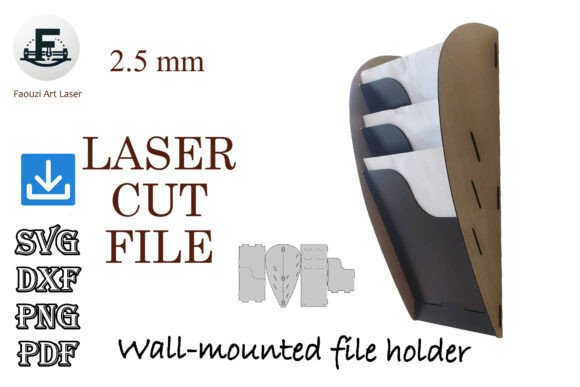
Wall-mounted File Holder: A Designer’s Review
As a designer who spends half my day staring at digitized files and the other half worrying about stitch density on stretchy cotton, I approach every new asset with a mix of curiosity and skepticism. Recently, I came across the Wall-mounted File Holder design file. At first glance, the title suggests something structural—perhaps related to Stands or Laser Cutting—but when you look closer at the visual personality of the file, it reveals itself as a surprisingly versatile graphic element for textile arts. I decided to put this machine embroidery design through its paces, not just as a digital preview, but by imagining how it would translate into real-world products.
This review isn’t about listing technical specs that you can find in a download folder. It’s about evaluating the aesthetic potential, practical application, and commercial viability of using the Wall-mounted File Holder in your next embroidery project. Whether you are an Etsy seller, a boutique owner, or a hobbyist looking to create a meaningful personalized gift, here is my honest take on what this design brings to the table.
First Impressions: Mood and Visual Identity
The moment I opened the preview of the Wall-mounted File Holder, the clean lines and geometric precision caught my eye. In a market saturated with floral motifs and whimsical script fonts, there is a refreshing modernity to this piece. It feels architectural yet soft enough for home decor. The layout suggests a sleek, contemporary 3D design that relies on negative space and structured forms rather than chaotic detail.
This visual clarity is crucial for embroidery. Unlike intricate illustrations that can turn into muddy blobs if the stitch density is off, this design promises high contrast and clear definition. It creates a mood of organization and calm, which makes it an excellent candidate for office accessories, study room decor, or minimalist home goods. For a small shop product aimed at professionals or students, this aesthetic hits the right note without feeling sterile.
Real-World Application: Where Does It Fit?
I spent some time mentally mapping out where this embroidery file could shine. The versatility of the Wall-mounted File Holder extends beyond its literal name. While it might be intended as a graphic representation of an organizer, it works beautifully as a standalone icon or central motif on various items.
Custom Apparel and Accessories
Imagine this design embroidered on the chest of a heavy-weight sweatshirt. The structured nature of the file would hold up well against the thick fabric, providing a sharp, professional look suitable for a creative agency or a design studio’s branded merchandise. Alternatively, placing it on a canvas tote bag design offers a chic, utilitarian vibe. The clean lines would complement the rugged texture of canvas, creating a balanced handmade product that looks expensive and thoughtfully designed.
Home Decor and Nursery Items
Because the design is abstract enough to be interpreted in multiple ways, it fits seamlessly into home decor. I envision this on a linen pillow cover for a living room shelf, or perhaps as part of a set of kitchen towels for a housewarming gift. The simplicity allows it to blend with various color palettes, from earthy tones to bold primary colors. For nursery decor, if rendered in softer thread colors, it could serve as a subtle, modern accent that doesn’t overwhelm a child’s room.
Commercial Embroidery and Branding
For business owners, this design serves as a strong brand asset. If you sell organizational tools, planners, or stationery, having a consistent visual language is key. Using the Wall-mounted File Holder as a logo or decorative element on packaging tags or apparel decorators samples can reinforce brand identity. It signals professionalism and attention to detail, qualities that build customer trust.
Technical Considerations and Stitch Behavior
No matter how beautiful a design looks on screen, its success depends on execution. Here is what you need to consider before loading this file into your hoop.
- Stitch Density and Clarity: The design likely utilizes a mix of satin stitch for outlines and fill stitch for solid areas. Ensure your digitizer has optimized the underlay stitches to prevent puckering, especially if you are working with lighter fabrics. Check the transition points between different stitch types to ensure smooth color changes.
- Hoop Size Constraints: While the design is scalable, always verify the maximum dimensions relative to your machine’s capabilities. If you plan to place this on a curved surface like a cap, you will need to adjust the placement carefully. The rigid nature of the design means it may not drape as naturally over complex curves compared to more organic shapes.
- Fabric Compatibility: This design performs best on stable fabrics. Avoid using it on highly textured or stretchy materials without proper stabilization. For custom apparel like t-shirts, use a cut-away stabilizer to maintain the integrity of the geometric lines. On woven fabrics like denim or canvas, a tear-away might suffice for smaller placements.
Pitfalls to Avoid
Even the best designs have limitations. Here are a few scenarios where the Wall-mounted File Holder might not perform as expected:
- Small Hoop Sizes: If you attempt to reduce this design too much, the fine details may become indistinguishable. Keep the minimum size large enough to preserve the geometric intent.
- Dense Stitch Areas: If the design includes small lettering or tiny decorative accents, test these elements separately. Tiny text can easily get lost in the thread colors or appear jagged if the resolution is too low.
- Dark Fabrics: When embroidering on dark backgrounds, ensure you have sufficient contrast. Light thread colors might require a heavier underlay, which can add bulk. Test your thread colors against your specific fabric shade before committing to a full run.
Practical Designer Notes for Success
Before you start selling finished products or offering digital embroidery file services, follow these steps to ensure quality:
- Test on Scrap Fabric: Always run a test stitch-out on the same type of fabric you plan to use. This helps you gauge how the fabric texture interacts with the threads.
- Check Licensing: Confirm whether the license allows for commercial use of the finished product. Many design assets come with restrictions on how many items you can sell.
- Use Proper Stabilizer: The choice of stabilizer can make or break the final look. For delicate items like baby embroidery pieces, prioritize soft, non-irritating stabilizers that wash out cleanly.
- Create Printable Mockups: Before investing in production, create high-quality mockups. Showcasing the Wall-mounted File Holder on realistic products helps potential buyers visualize the final result, increasing engagement and sales.
Final Verdict
The Wall-mounted File Holder is a strong addition to any designer’s library. Its modern aesthetic, structural clarity, and adaptability make it suitable for a wide range of applications, from holiday embroidery gifts to commercial embroidery projects for brands. By paying attention to stitch density, fabric choice, and proper stabilization, you can transform this digital file into a stunning physical product that resonates with customers.
Whether you are creating a unique embroidered patch for a jacket or designing a line of minimalist home goods, this design offers a sophisticated foundation. Take the time to test it thoroughly, respect the technical constraints, and let the clean lines speak for themselves. It is a reliable, stylish choice for anyone looking to elevate their craft business with professional-grade embroidery work.