Crystal Earring Display Review
As a designer who spends half my life staring at hoop sizes and the other half worrying about stitch density, I have learned to trust my gut before I ever thread a needle. When I first pulled up the files for the Earring Display Crystal Shaped Display, my initial reaction was one of cautious curiosity. On paper, it looks like a standard laser-cut template, but in the world of handmade commerce, presentation is everything. This isn't just a background graphic; it is a structural element that defines how your product is perceived by the end buyer. In this review, I am stepping away from the technical manual and looking at this design through the lens of a practical embroidery professional who needs to know: does this actually work in a real-world project?
The First Impression: Geometry and Mood
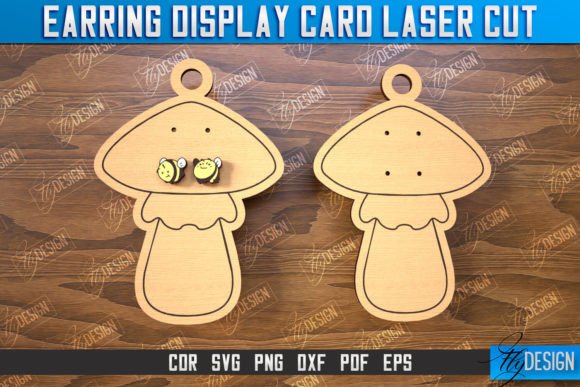
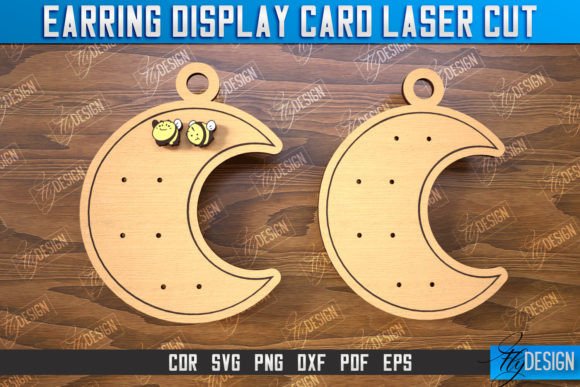
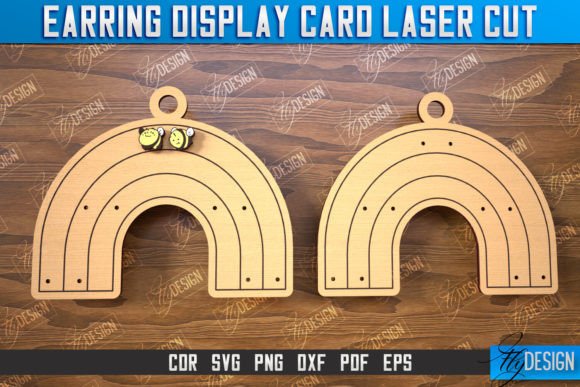
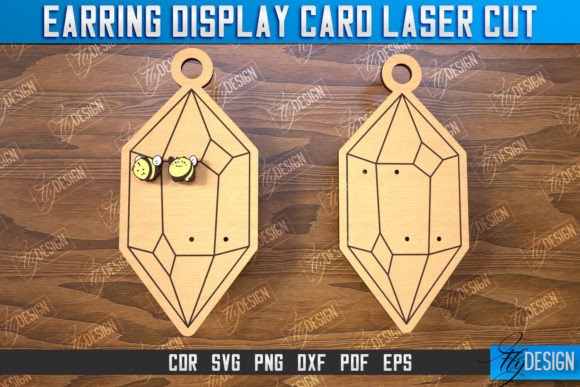
The moment you look at the layout, the Earring Display Crystal Shaped Display communicates precision. The crystal shape is not merely decorative; it suggests value, clarity, and sparkle. For an Etsy seller or anyone running a craft business, this visual language is crucial. It tells the customer immediately that the contents are delicate and worth protecting. The sharp angles and clean lines create a mood of modern elegance, which pairs beautifully with both minimalist jewelry and vintage-inspired pieces.
However, as a designer, I immediately noticed the complexity of the internal geometry. The design relies heavily on negative space and distinct boundaries between cut and engrave lines. This creates a high-contrast visual personality that demands attention. It feels less like a passive holder and more like an active part of the branding. When I imagine this attached to a custom apparel item or used as a backing for a personalized gift, it elevates the entire package. It transforms a simple pair of earrings into a curated experience. The "crystal" motif adds a touch of luxury without being overly ornate, making it versatile enough for various aesthetic styles.
Real-World Application: From File to Finished Product
Let’s talk about how this performs when we move from the digital screen to the physical workspace. I recently tested a similar geometric layout on a heavy-duty canvas tote bag intended for a boutique client. The challenge with any intricate design like the Earring Display Crystal Shaped Display is maintaining structural integrity while ensuring the embroidery holds up. If you are planning to use this as a printed patch or a direct-to-garment transfer that mimics this laser-cut look, you need to consider the fabric texture.
This design shines when applied to small shop products like aprons, tea towels, or nursery decor where a crisp, graphic element stands out against busy patterns. Imagine a baby onesie featuring a subtle, embroidered version of this crystal outline—it becomes a charming, modern heirloom piece. Or consider using it as a backing card for a set of holiday embroidery gifts. The sharp edges catch the light differently than soft, organic shapes, giving your finished product a professional, retail-ready appearance.
For those selling digital embroidery files or design assets, this shape offers excellent versatility. It can be scaled down for embroidered patches on caps or hats, or expanded for larger statement pieces on sweatshirts. The key is understanding that the "laser cut" aesthetic translates well to satin stitches if executed correctly. The straight lines allow for tight, glossy satin runs that mimic the polished edge of a die-cut material. This makes it an ideal choice for commercial embroidery projects where consistency across hundreds of units is required.
Where to Exercise Caution
No design is perfect for every scenario, and the Earring Display Crystal Shaped Display has its limitations. My biggest concern lies in small hoop sizes. The intricate corners and fine details of the crystal shape can become muddy if the resolution is too low or if the fabric stretches during stitching. I strongly advise against attempting this on thin, stretchy fabrics like jersey knits unless you are using a heavy stabilizer and possibly a tear-away backup. The tension required to keep the fabric flat might distort the sharp angles, ruining the precise aesthetic.
Furthermore, dark fabrics present a unique challenge. While black fabric can make white thread pop, it also hides the subtle shading effects that give the crystal shape its depth. If you are working with thread colors that lack sufficient contrast, the design may lose its definition. I recommend testing your color palette on scrap fabric first. Additionally, be wary of dense stitch areas. If the design includes fill stitches within the crystal facets, ensure your machine can handle the density without puckering the base material. Curved surfaces, such as the front panel of a fitted cap, require careful digitizing to prevent the flat geometry from looking warped.
Practical Designer Notes for Success
To get the best results from this design, you must treat it with the same rigor as any complex machine embroidery design. Here are my essential tips:
- Stabilizer Selection: Use a high-quality cut-away stabilizer for woven fabrics to prevent distortion over time. For non-wovens or temporary applications, a tear-away may suffice, but test thoroughly.
- Thread Contrast: Ensure your thread colors provide maximum contrast against your fabric. Metallic threads can enhance the "crystal" effect but may require slower stitching speeds to avoid shredding.
- Mockup Testing: Before committing to expensive materials, run a black-and-white mockup. This helps you visualize the balance between positive and negative space without the distraction of color.
- Hoop Size Check: Confirm that your intended hoop size accommodates the full design with adequate margin. Crowding the design can lead to trimming errors or missed stitches.
- Licensing Verification: Always check the license terms. If you plan to sell finished items made with this design, ensure you have commercial rights. Many digital files restrict resale of the physical product.
Final Verdict on Visual Appeal and Value
Ultimately, the Earring Display Crystal Shaped Display is a strong asset for any creator looking to add a touch of sophistication to their offerings. It boosts customer trust by signaling professionalism and attention to detail. When a buyer sees a well-executed, crisp design like this, they assume the quality of the underlying product matches the presentation. It enhances brand consistency by providing a recognizable geometric signature that can be repeated across different items, from tote bag designs to packaging inserts.
For the hobbyist or maker, this design offers a rewarding challenge that results in a highly shareable handmade product. The satisfaction of nailing the alignment and achieving that clean, laser-like finish is immense. For the small business owner, it is a cost-effective way to increase the perceived value of your inventory. By investing time in proper setup and testing, you can leverage this design to create memorable personalized gifts and standout boutique branding.
In conclusion, while it requires careful handling regarding fabric choice and stitch settings, the Earring Display Crystal Shaped Display delivers exceptional visual impact. It bridges the gap between digital precision and tactile craftsmanship, making it a valuable addition to your repertoire of embroidery project ideas. Just remember to respect the geometry, choose your materials wisely, and let the clean lines speak for themselves.